
The modern home is smarter than ever. Voice assistants respond to commands, thermostats adjust automatically, and cameras let us check the front door from a phone. But convenience also creates dependencies: on device software, household accounts, manufacturers and cloud services. A weakness in any of them can undermine the protection a product appears to provide.
In 2025, smart home cybersecurity is a shared responsibility. Users control some settings, but manufacturers decide how products are built, updated and supported. Policymakers influence the minimum protections buyers can expect. Understanding where those responsibilities meet shows what owners can do and what they should demand from vendors and government.
Key Takeaways
- More connected devices mean more software, accounts and services to manage.
- Limited visibility into data collection makes informed privacy choices harder.
- Default credentials can turn useful devices into tools for wider attacks.
- Weak app permissions and shared components can create physical-security consequences.
- Security standards and updates matter only when products implement and sustain them.
- AI can increase deception and complicate detection; research demonstrations need their conditions explained.
- Surveillance and accountability risks extend beyond the person who bought the device.

The Smart Home Security Paradox: Convenience vs. Risk
1. More Devices, More Exposure
The smart-home security market is growing. Market.us projected growth from $28.4 billion in 2023 to $107.1 billion by 2033. That forecast covers products such as locks, cameras and alarms; it does not measure how securely they are designed. Commercial success and cybersecurity are different questions.
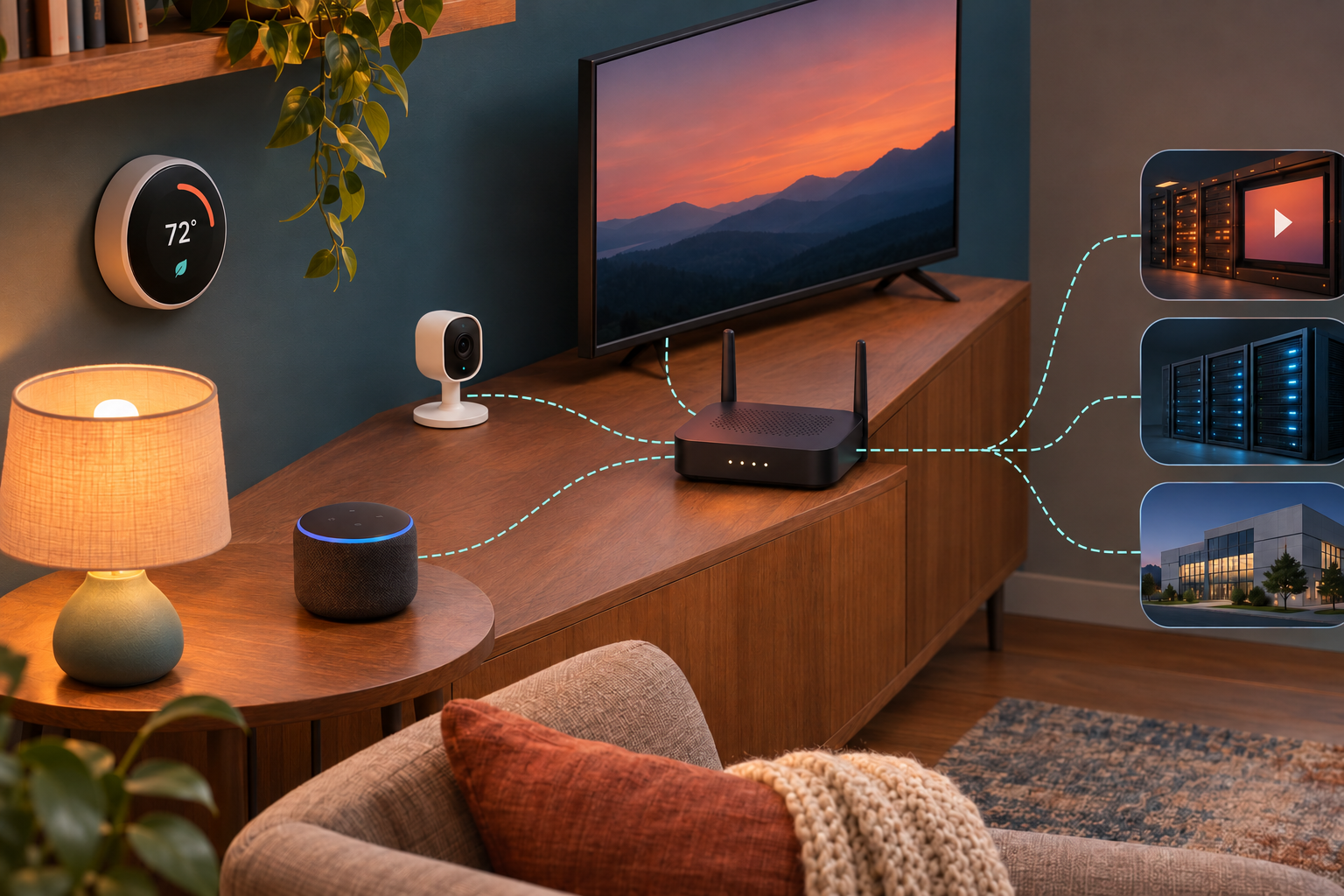
A September 2024 IoT Analytics forecast anticipated 18.8 billion connected IoT devices globally by the end of 2024, up 13%. That includes industrial and other uses, not just homes. For a household, the practical issue is the growing collection of devices and services that need secure configuration and continuing support. Each additional connection deserves consideration, even when the device itself seems harmless.
2. Limited Visibility and Control
A buyer may understand what a device does without understanding what information leaves the home, which accounts can access it or how long the manufacturer will support it. Those are part of the product’s security, not incidental details. A camera’s privacy promise means little if its account or sharing permissions are difficult to manage.
The same problem affects institutions advising staff or procuring consumer-grade equipment. They need information about the whole product, including its app and cloud service, rather than relying on a feature list or a claim that the device uses encryption.
Breaches and Research: What the Examples Show
3. Default Credentials and Internet Exposure
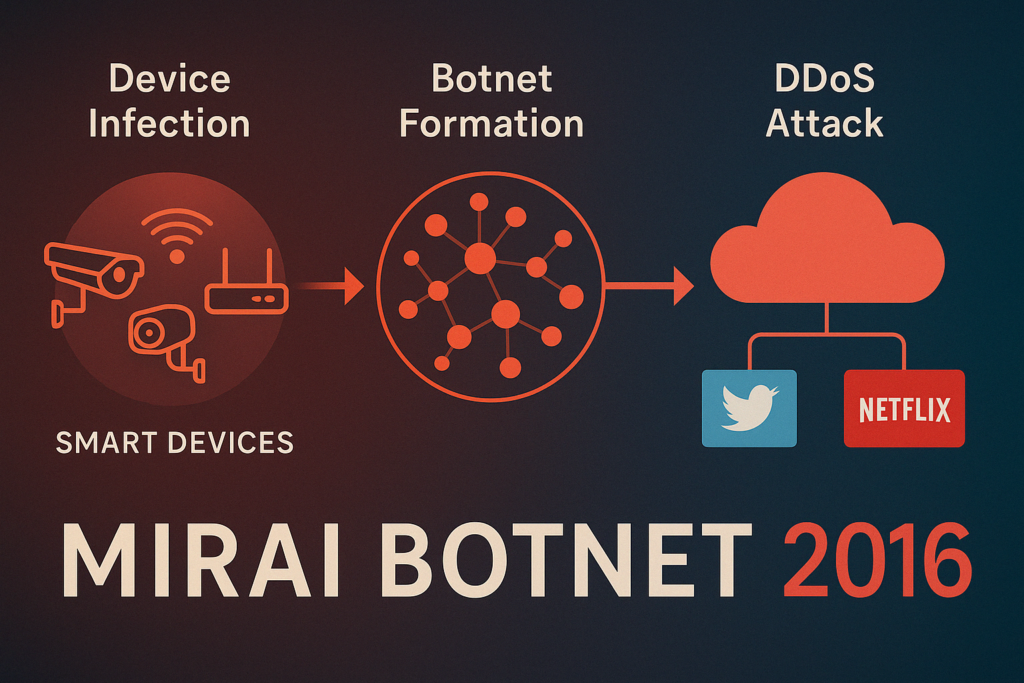
The Mirai botnet shows why a household device can become someone else’s problem. The researchers who studied Mirai described its exploitation of insecure default credentials on IoT devices. Mirai participated in the October 2016 attack against DNS provider Dyn, disrupting access to Twitter, Netflix and many other major websites.
The cost of insecure defaults can therefore fall far beyond the individual home. Internet exposure, weak credentials and missing updates are risks to address together. Changing a password cannot repair vulnerable software, and a supported device still needs sensible access settings.
4. Weak Permissions and Shared Components
In 2024, researchers disclosed flaws involving a Kontrol Lux lock using Sciener firmware and associated TTLock components. The CERT/CC disclosure distinguishes the affected components and access conditions: the firmware-update weakness required Bluetooth-range access. The case shows why the physical-security promise of a connected lock needs examination at the device, app and wireless-interface levels.
A 2016 SmartThings security study demonstrated proof-of-concept attacks involving lock codes, vacation mode and a false fire alarm. The research exposed how app privileges and platform control can have physical consequences. Shared software and services can spread a weakness across products, so a device’s brand alone does not describe its dependencies or permissions.
Why Smart Home Devices Lag in Cybersecurity
5. Inconsistent Implementation and Update Support
Security guidance exists, but guidance is not the same as consistent implementation. NIST SP 800-213 addresses federal agencies’ IoT requirements. For consumer products, NIST IR 8425 sets out a cybersecurity baseline. These publications serve different purposes. Adoption, implementation and continuing support remain questions buyers need answered about the product they choose.
Thin margins and rapid development cycles can reward features, integrations and ease of use while pushing security maintenance into the background. That is a manufacturer’s responsibility, not a configuration failure to blame on users. Buyers should ask what protections are provided and how updates will reach the product. A device without wireless updating may still accept a supported manual update. The more serious problem is a missing secure update mechanism or a manufacturer that stops supplying fixes.
That distinction matters when deciding whether replacement is necessary. Manufacturers should make support periods and update arrangements clear before purchase, rather than leaving owners to discover the limits after a vulnerability appears. Complex configuration also shifts work onto users who may lack the information or controls needed to do it safely.
The AI Acceleration Effect
6. Synthetic Voices and Unreliable Classifiers
Automated reconnaissance predates AI: established tools identify exposed services and software versions, although a reported version alone does not prove a vulnerability. AI can assist analysis and prioritization. The concern is how additional automation could make finding and pursuing weak targets easier and increase the pressure on poorly maintained devices.
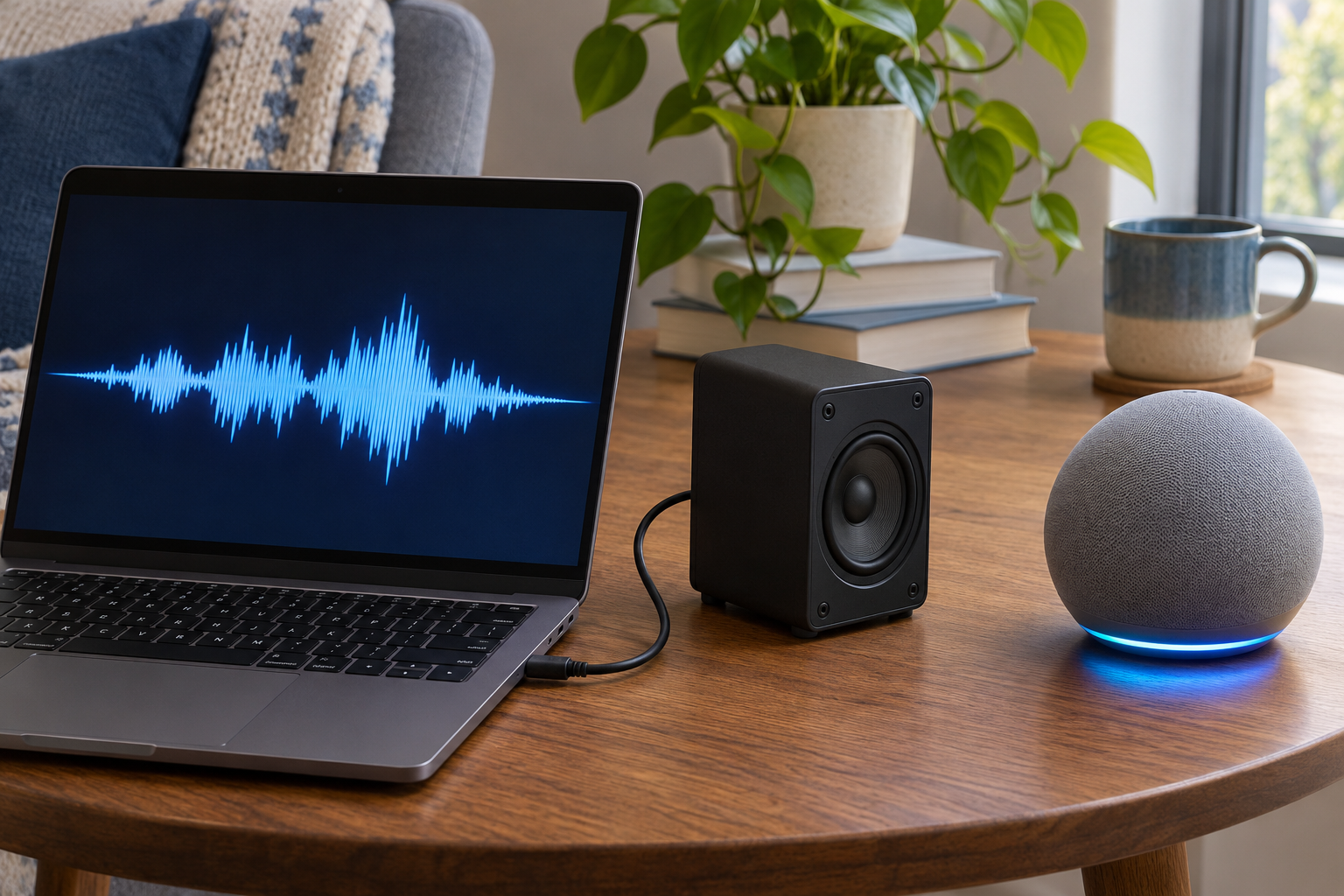
NDSS 2024 research tested synthesized adversarial speech against speaker-recognition systems, including commercial smart devices. These were experiments with particular speech samples, models and devices. Their significance is serious: a recognizable voice can be a weak foundation for authorization, especially when a command controls something consequential.
Camera-based security also depends on what its software recognizes. Person-detection research published in 2019 demonstrated failures under tested adversarial conditions. The scope was visual person detection; different cameras and sensors need their own assessment. AI can improve defenses while also creating new failure modes, so dependence on a single classifier deserves scrutiny.
Defensive Measures: What Users, Vendors and Governments Can Do
For users, start with an inventory of connected devices and the accounts that control them. The FTC’s connected-device advice recommends replacing default credentials, avoiding password reuse, using available two-factor authentication, updating devices and apps, and disabling unnecessary remote management. Disconnect equipment you no longer use. The Smart Home Security Checklist provides a practical starting point.
Keep firmware updates routine, but do not confuse them with routine password rotation. NIST’s pre-2025 password guidance advises against arbitrary periodic changes. Change default, reused or compromised passwords; use strong, unique credentials rather than repeatedly modifying a weak one.
For manufacturers, secure design must include the product’s app, accounts and supporting services. Provide protected update mechanisms, clear support commitments and a route for vulnerability reports. Publish useful configuration and privacy information. Security should remain part of the product after the initial sale, rather than becoming an unsupported promise.
For policymakers, require minimum cybersecurity capabilities and clear support disclosures, and hold manufacturers accountable for neglected vulnerabilities. Fund education without using difficult household settings as an excuse for weak products. NIST’s 2024 consumer-router recommendations show how broad outcomes can become product-specific requirements. Labels and standards need implementation and oversight; mandatory certification and better AI defenses remain possibilities, not guaranteed future outcomes.
Zero-Trust Principles at Home
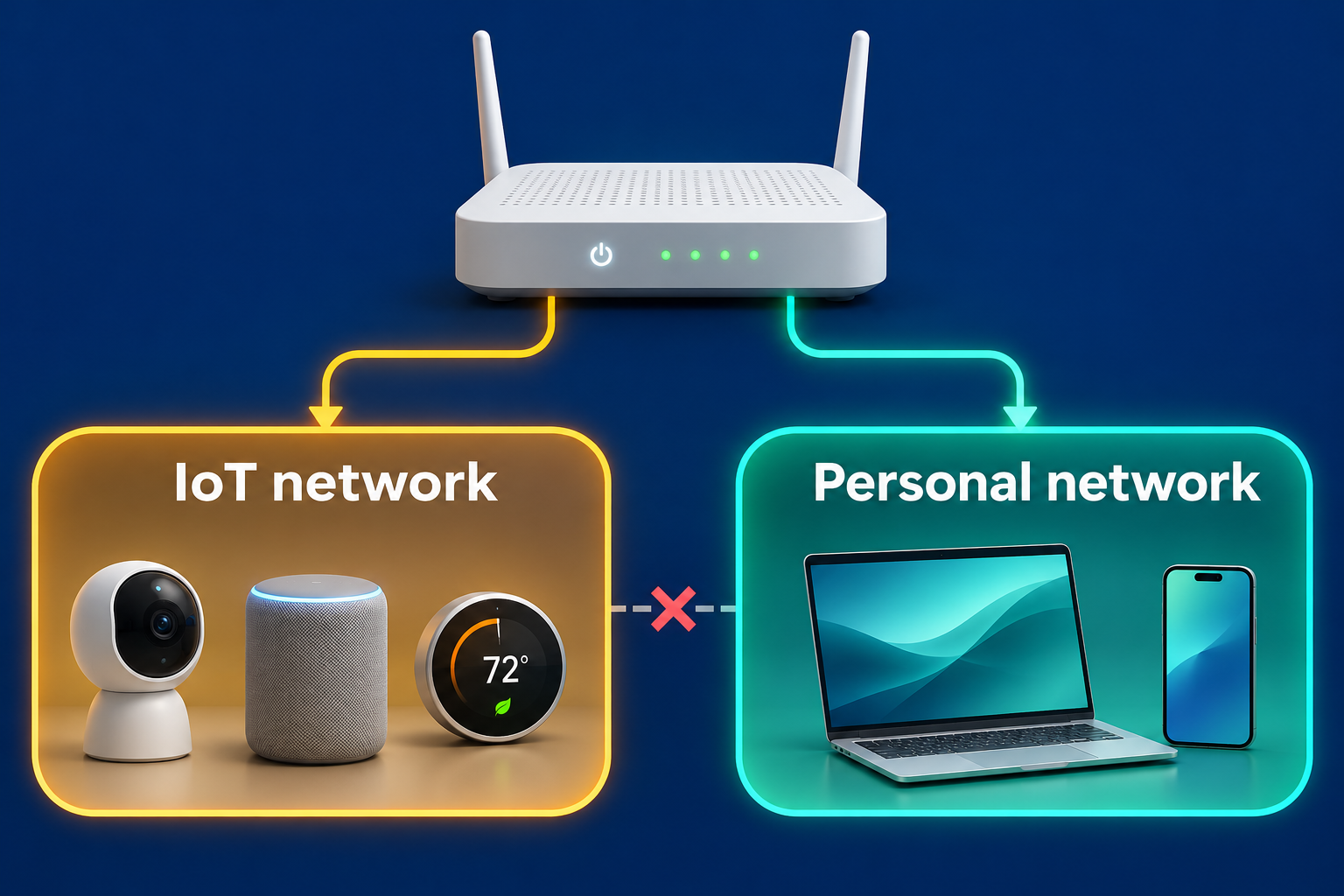
The useful principle is to limit what a compromised device could reach. A properly configured guest or separate IoT network can reduce access to personal computers and other sensitive devices. Restrict unnecessary permissions and remote access, and use available authentication and encryption features. A separate network limits certain local paths; cloud accounts and nearby-access risks still need attention. Apply the controls your products support. The Home Network and Device Security hub connects these choices to the wider network.
The Broader Implications: Privacy and Accountability
7. Surveillance by Accident or Design
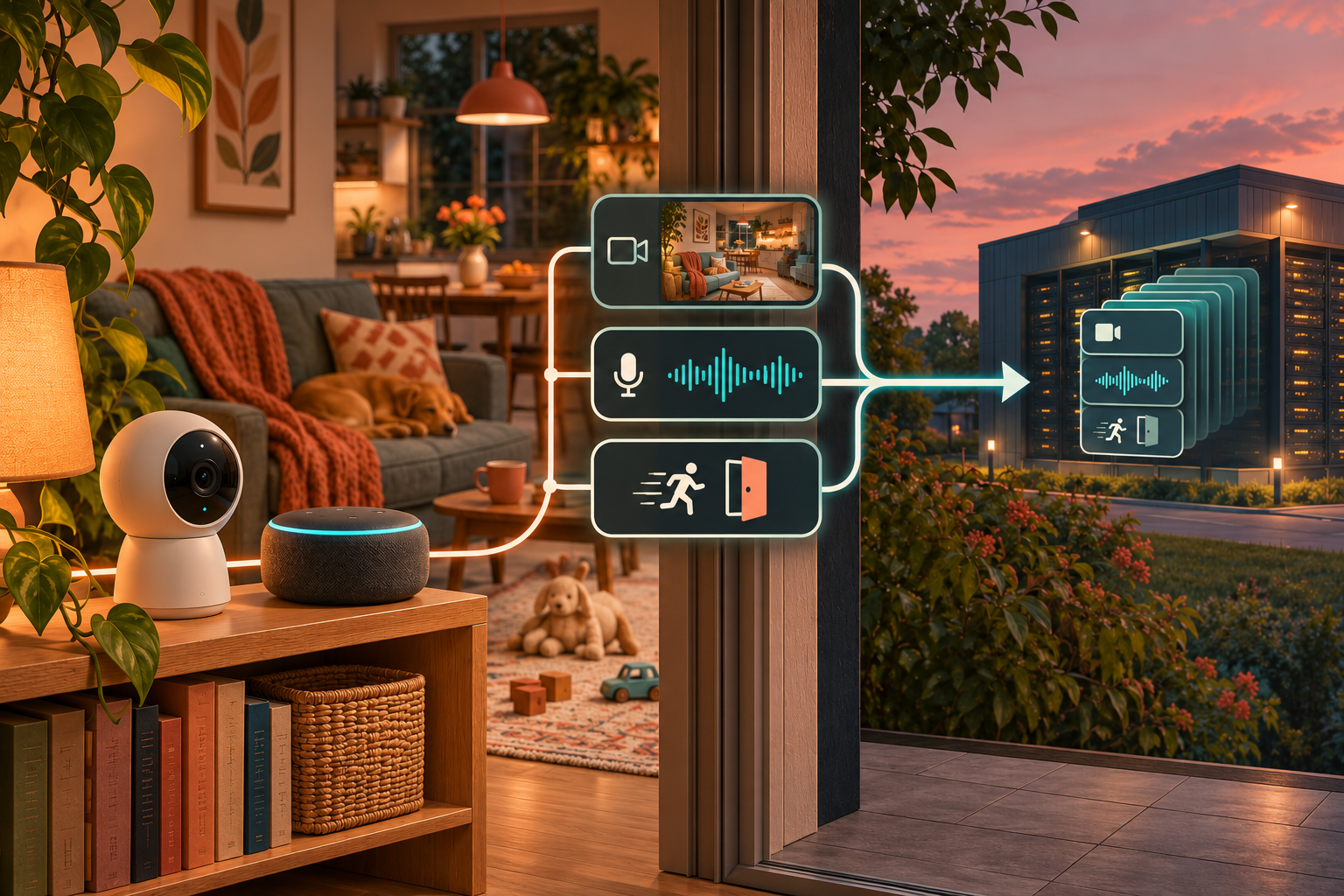
Smart home privacy affects visitors, children and other household members, not just the purchaser. Cameras, microphones and account histories can expose intimate details when access, retention or sharing controls are weak. When those records accumulate in large corporate ecosystems such as Google’s or Amazon’s, they create the capacity for surveillance at a scale a single household cannot evaluate. Privacy defaults, retention limits and meaningful deletion controls deserve scrutiny alongside protections against hackers.
The implications can also extend to confidential work conducted at home. That makes transparent data practices and secure products matters of institutional concern, not merely individual preference. Who responds when a product exposes sensitive information? Buyers should seek clear support, reporting and deletion commitments; vendors and policymakers should make accountability easier to understand.
Conclusion and Future Outlook
Smart home cybersecurity depends on more than a careful owner. The industry’s fragmented landscape, economic incentives and regulatory gaps can leave even informed users exposed. AI adds reasons to examine how identity and detection work, while the older lessons about credentials, updates and permissions still matter.
Users should reduce unnecessary exposure; vendors should build and sustain secure products; policymakers should press for clear requirements and accountability. Better technology and stronger standards are opportunities, not automatic guarantees. For further analysis of these risks and responsibilities, subscribe to Quantum Cyber AI.
FAQ
Which smart home devices deserve the most attention?
Prioritize devices with sensitive data or physical controls, weak account protections, unnecessary internet exposure or unclear update support. Cameras, locks and assistants perform different jobs; the product’s actual capabilities and support matter more than a blanket ranking by category.
Can a device be compromised even when Wi-Fi is secured?
Yes. Wi-Fi protection does not repair vulnerable software, unsafe app permissions or a compromised cloud account. Some research also involves nearby access rather than entry through the household Wi-Fi network. Protect the device and its services as well as the router.
Where should a non-expert begin?
Identify your devices, replace default or reused passwords, enable supported updates and two-factor authentication, and disable features you do not need. Consider a separate network where your router supports appropriate isolation. Check the manufacturer’s instructions before changing settings that connected products need.
Are voice assistants safe to use?
There is no useful guarantee for every assistant, setting and connected service. Review recording and sharing controls, account access and permissions for sensitive actions. Voice-recognition research is a reason to examine authorization, rather than assume a familiar-sounding voice proves who is speaking.
Will AI make smart homes safer or more dangerous?
It can contribute to both. Synthetic speech and weaknesses in recognition systems create risks, while automated analysis can assist defenses. Judge the particular capability, its conditions and evidence, rather than treating an AI label as proof of either safety or inevitable compromise.