
Before you send
Crypto Scam Warning Signs
Use this guide before sending crypto, connecting a wallet, trusting a recovery offer, or following an urgent payment request.
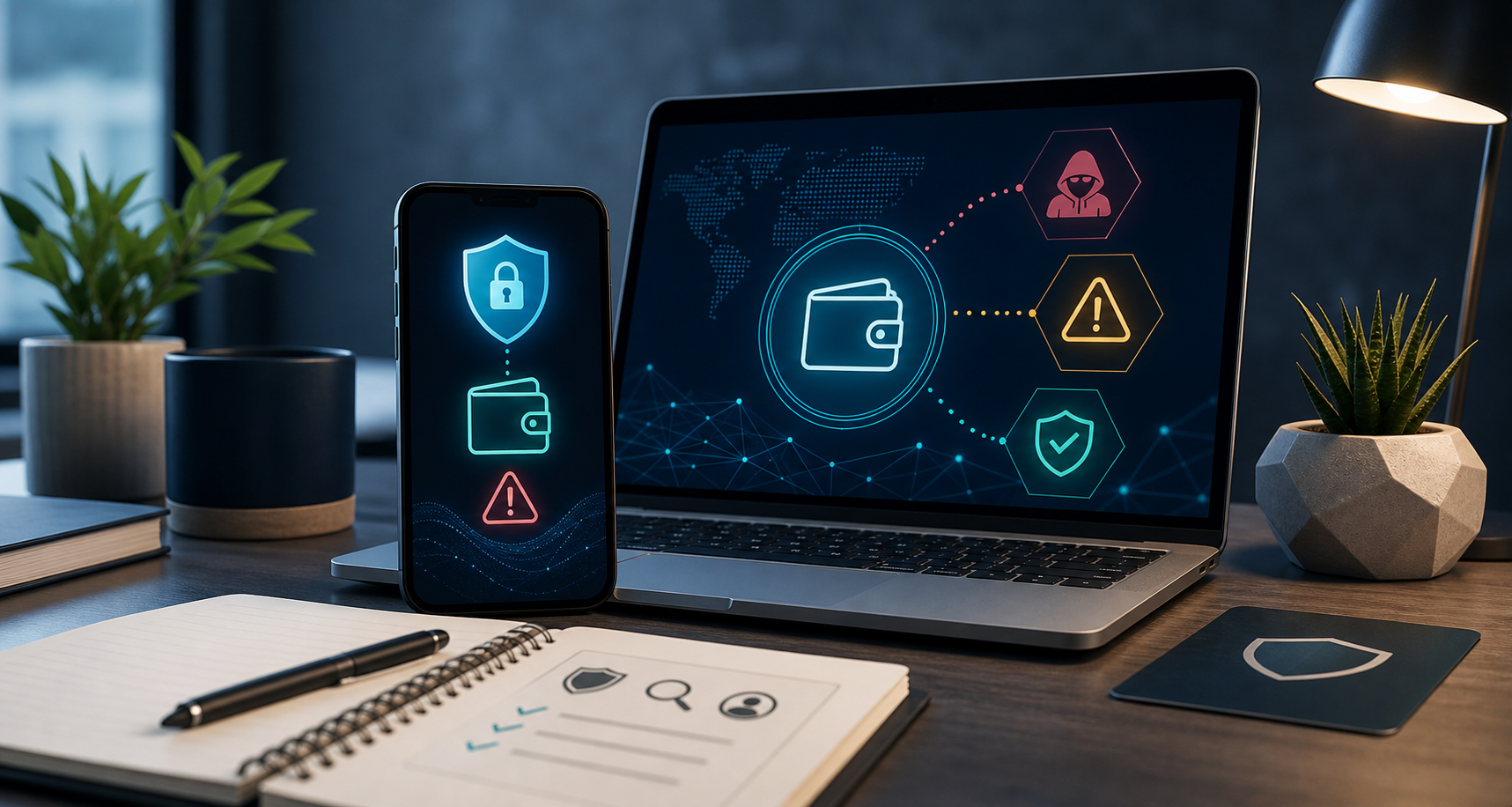
Use this guide when
Someone is pushing you toward a crypto payment, wallet connection, investment platform, recovery service, ATM, QR code, or private-key request. This is consumer safety guidance, not investment advice.
The fast rule
If someone says cryptocurrency is the only way to fix a problem, claim an opportunity, unlock money, protect an account, or recover funds, stop. Leave the conversation and verify through a separate source you already trust.
Common warning signs
- A romance, friendship, mentorship, job, or investment contact slowly moves the conversation toward crypto.
- A platform shows profits but blocks withdrawal until you pay taxes, fees, deposits, gas, or unlock charges.
- A caller keeps you on the phone while sending you to a crypto ATM, wallet app, or QR code.
- A recovery service says it can get stolen funds back, but wants an upfront payment first.
- Someone asks for a seed phrase, private key, wallet connection, remote access, or screen share.
Before sending crypto
- Pause and get out of the call, chat, message thread, or video meeting.
- Search the company, token, wallet address, app, and person with words like scam, complaint, and review.
- Use official websites or apps you reach yourself, not links sent by the person asking for money.
- Assume the payment may not be reversible.
- Talk to someone who is not involved in the transaction before sending anything.
Fake platform and recovery traps
Many crypto scams do not start with a payment demand. They start with a dashboard that appears to show growth, an account manager who answers quickly, or a recovery expert who sounds official. The danger sign is control: you can see numbers, but you cannot withdraw without paying more or sharing more access.
If you already sent crypto
Save wallet addresses, QR codes, transaction hashes, screenshots, websites, messages, phone numbers, emails, and usernames. Contact the exchange, wallet provider, or crypto ATM provider through official channels. Report the incident, and be careful: follow-up recovery offers are often another scam.
Before you trust a platform
- Search the company, app, exchange, wallet, or token name with words like scam, complaint, withdrawal, and review.
- Do not trust screenshots of profits, dashboards, celebrity endorsements, or chat testimonials.
- Check whether withdrawals work before adding more money.
- Be suspicious if support only talks through messaging apps or social media.
- Do not connect a wallet to a site you reached through an ad, DM, QR code, or urgent message.
The recovery scam rule
Anyone who promises to recover crypto for an upfront fee, tax payment, gas charge, unlock deposit, or private-key request is creating a second risk. Real reporting channels may help document the loss, but nobody can guarantee recovery through a private message.
What to save for reports
- Wallet addresses, transaction hashes, screenshots, usernames, phone numbers, emails, websites, and QR codes.
- The platform name, app name, exchange name, and any support chat history.
- Dates, amounts, payment method, and the story used to pressure you.
- Any recovery offer that appeared after the first loss.
Latest on this topic
Get the field guide in your inbox
Get practical cyber and AI safety checklists when new resources go live. No popup, no pressure, just the next useful thing.