
Trump's April 2025 tariff escalation raised concerns that an already-established Chinese cyber threat could intensify. China cyber espionage had exposed government information, penetrated telecommunications networks and put critical infrastructure at risk well before this tariff clash. The cases examined here show why further escalation is dangerous; they do not demonstrate retaliation for April's tariffs.
For security leaders and policymakers, the distinction matters. Stealing information, maintaining access for a future crisis and actually disrupting a service are different activities. Treating every intrusion as immediate economic retaliation obscures the threat organizations need to address.
The danger is that escalating confrontation gives Beijing additional reasons to use capabilities it already possesses. Understanding the documented campaigns helps explain what is at stake and where stronger defenses are needed.
Key Takeaways
- Chinese espionage and infrastructure intrusions were already a serious threat as the April 2025 tariff confrontation escalated.
- Volt Typhoon's infrastructure access and Salt Typhoon's telecom surveillance pose different risks and require precise descriptions.
- Contemporary warnings about escalation deserve a place in economic and national-security planning.
- Government, defense, communications and essential-service networks can provide valuable information or leverage during a crisis.
- Visibility, access controls, patching, segmentation and incident response remain priorities; an AI label does not guarantee protection.
- Trump's trade confrontation increases the importance of resilience and coordination across government and strategic industries.
What China Cyber Espionage Seeks
China cyber espionage involves efforts to obtain sensitive information through unauthorized access to governments, companies and other organizations. State-linked operations can serve political intelligence, industrial advantage and national-security objectives. That does not mean every group, victim or intrusion has the same mission.
The central concerns include:
- Strategic intelligence from officials, diplomatic communications and government systems.
- Economic advantage from intellectual property, research and proprietary business information.
- Persistent access that could support surveillance or create options for disruption during a future conflict.
- Information about suppliers, customers and networks that makes additional compromises possible.
Data theft was a major national-security concern long before this trade dispute. The 2015 Office of Personnel Management background-investigation breach affected 21.5 million individuals. The affected population included applicants and non-applicants such as spouses or cohabitants. The GAO's account of federal cybersecurity challenges explains the privacy and security consequences of that exposure. The exposure illustrates how compromised records can create risks for people and institutions long after their theft.
For an organization, the important question is what an adversary could learn from access to its designs, accounts, correspondence or operational dependencies. Those losses can weaken commercial advantages, reveal sensitive relationships and make other systems easier to target.
How Trump's Tariff Escalation Changes the Risk
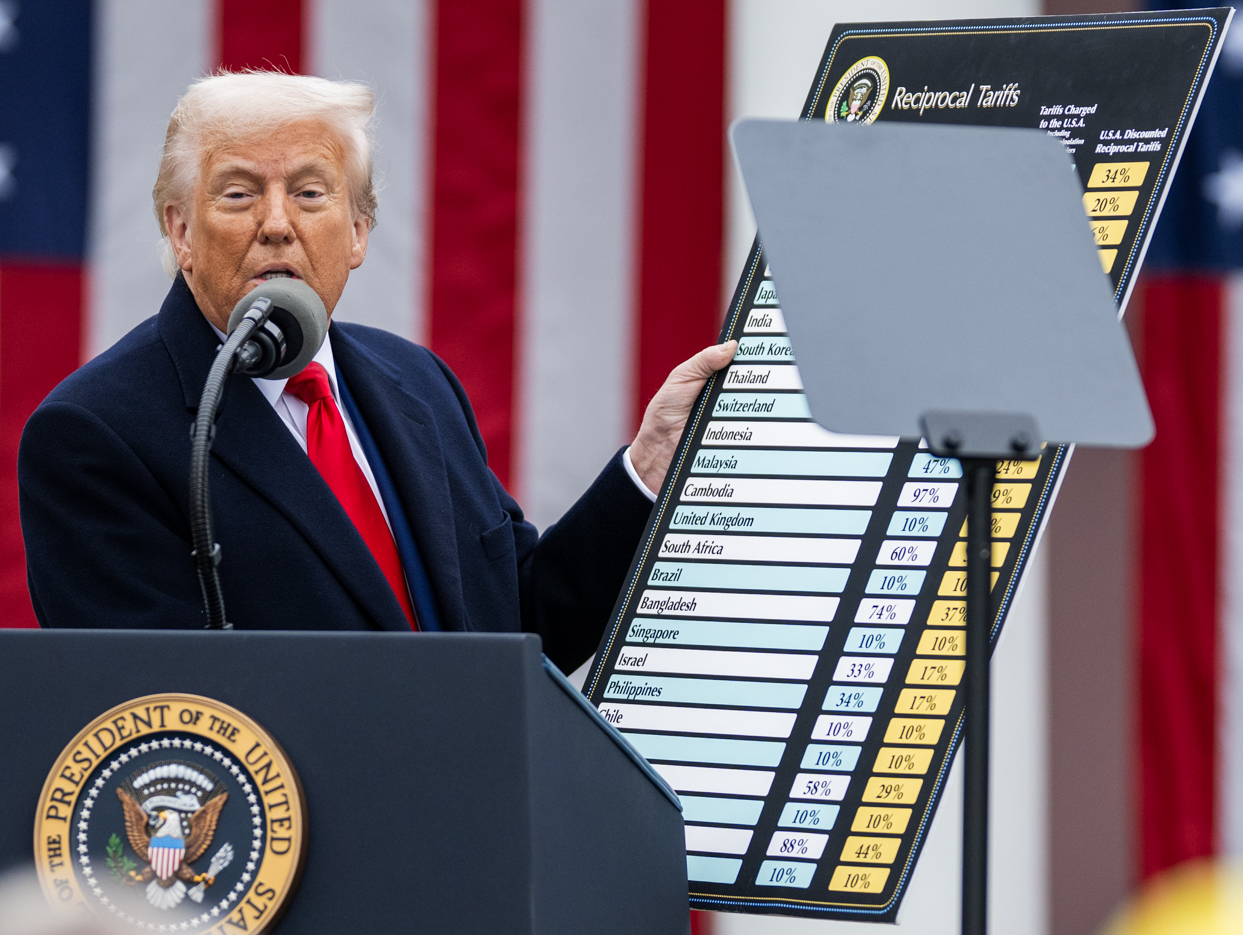
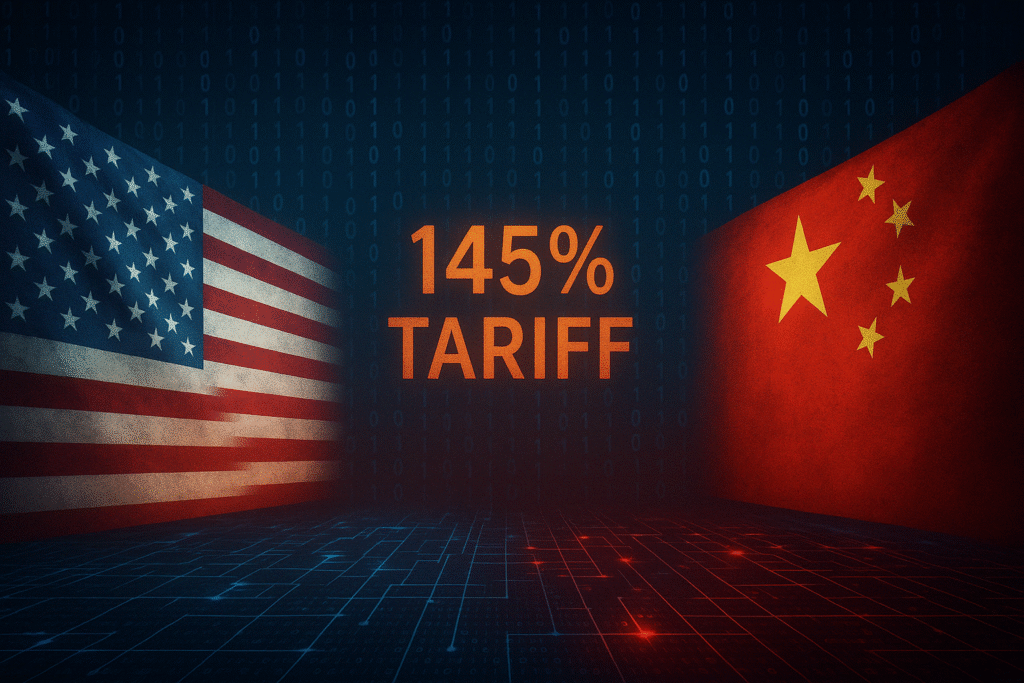
The U.S.–China trade confrontation intensified sharply in April 2025. CBP's implementation notice set out the 125 percent reciprocal duty for covered Chinese goods. The widely reported 145 percent combined that with separate 20 percent duties for covered goods; coverage varied by product. CBP's April 11 exclusions notice identified excluded product headings.
That economic pressure created a legitimate cybersecurity concern. An adversary can pursue intelligence, seek leverage or prepare disruptive options without announcing that its activity is a response to trade policy. Organizations connected to trade, government or essential services therefore had reason to consider escalation in their risk planning.
In The Register's April 10 interviews about the trade war, security adviser Tom Kellermann warned of possible systemic cyber retaliation. The discussion presented differing assessments of how tensions could develop and when existing access might be used.
This is where Trump's escalation warrants scrutiny: a confrontational policy can create additional security risks that businesses and infrastructure operators must bear. The cyber danger should be part of that policy calculation. Weighing those risks requires attention to the exposure of the institutions and businesses expected to withstand a response.
The same distinction applies to threat surveys. The Armis 2025 Cyberwarfare Report, in its U.S. regional findings, said 79 percent of surveyed U.S. IT decision-makers considered China the greatest country threat to national cybersecurity. The finding measures respondents' perceptions of country risk, underscoring how prominent the concern had become among security leaders.
For a CISO, trade war cybersecurity planning means translating that concern into an examination of exposure and response readiness. The question is which systems, relationships or services could become more consequential during a confrontation.
Documented Campaigns Behind the Warning
Volt Typhoon: Access for a Potential Crisis
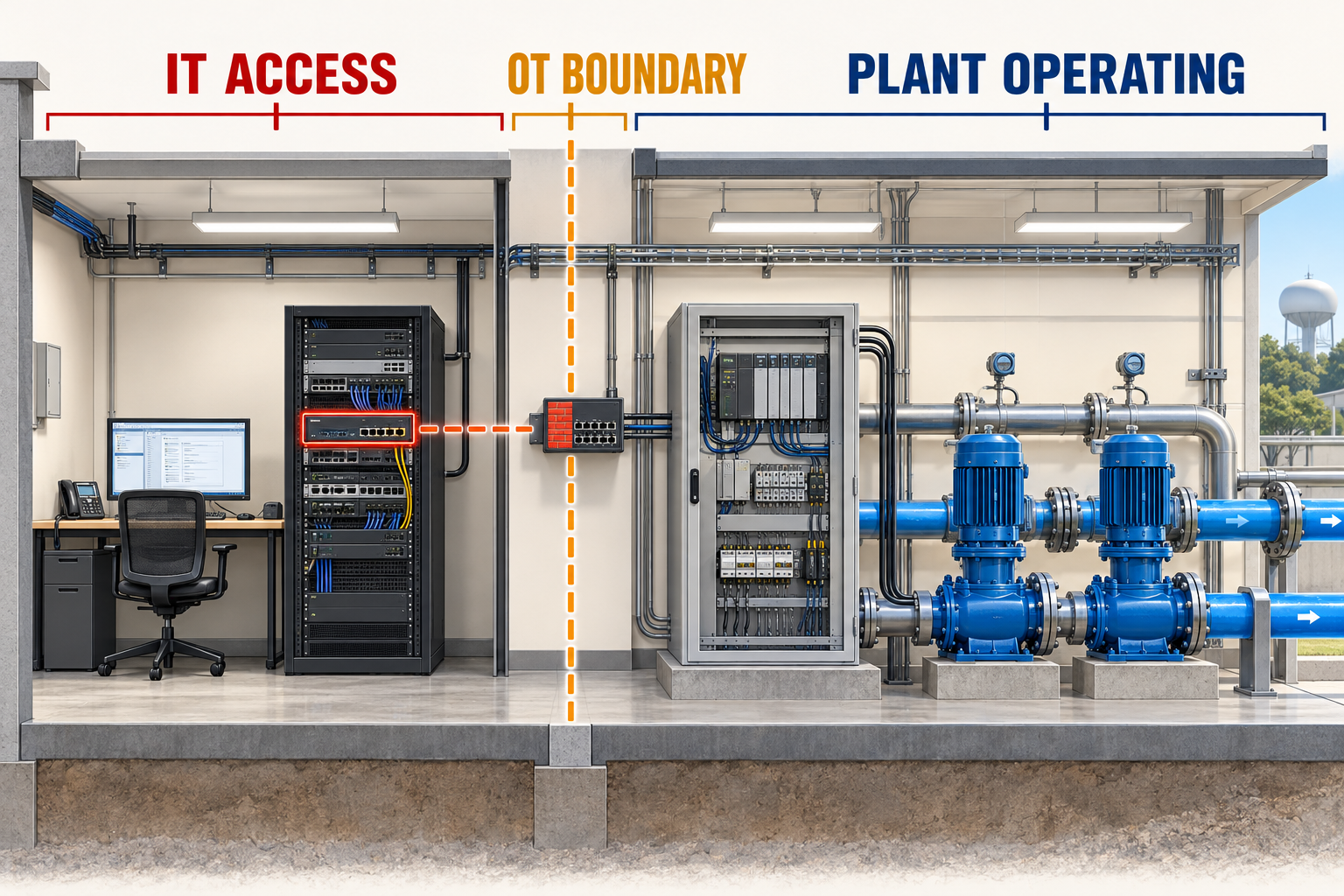
Microsoft's May 2023 Volt Typhoon research described activity tracked since mid-2021, affecting critical infrastructure in Guam and elsewhere in the United States. The affected sectors included communications, utilities, transportation and maritime organizations. The researchers emphasized stealth, use of legitimate tools and efforts to maintain access without detection.
The February 2024 joint warning announced by CISA described prepositioning for potentially disruptive or destructive activity against U.S. critical infrastructure during a major crisis or conflict. The warning made persistent access a national-security concern: an intrusion discovered during ordinary conditions could create a dangerous option during a later confrontation.
The Wall Street Journal's report of a private December meeting added a geopolitical dimension. Citing people familiar with the meeting, it described Chinese representatives linking years of infrastructure intrusions to U.S. support for Taiwan. The account rests on the newspaper's unnamed sources rather than a publicly available meeting transcript.
For defenders, the long time horizon matters. Access that appears quiet can still warrant investigation, particularly when it reaches systems essential to communications or service delivery.
Salt Typhoon: Telecommunications Surveillance
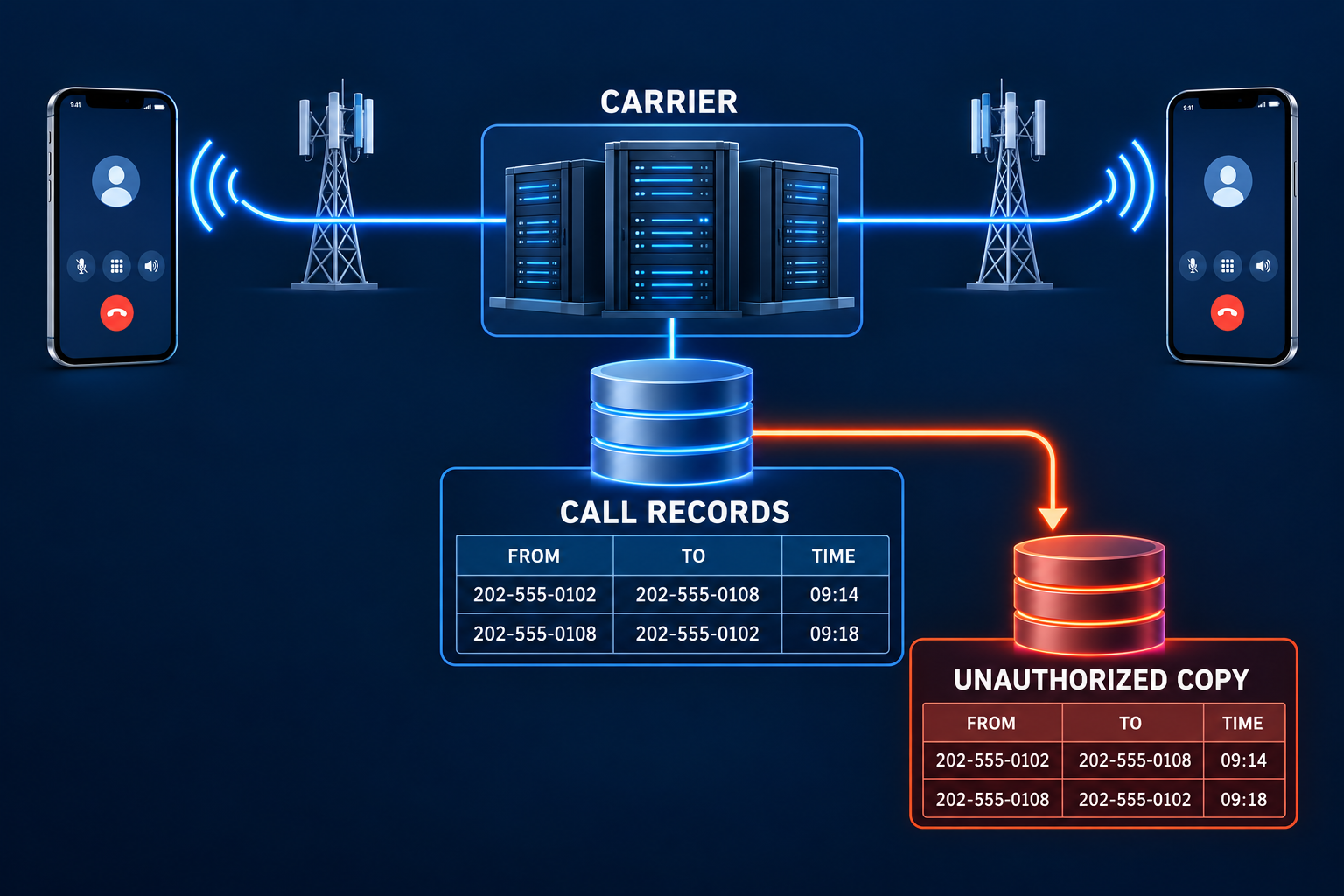
The FBI and CISA's November 2024 telecom statement described a broad espionage campaign. The agencies identified theft of customer call records, compromise of private communications involving a limited number of people primarily active in government or politics, and copying of information subject to court-ordered law-enforcement requests.
By December 27, Deputy National Security Advisor Anne Neuberger said nine telecom companies had been compromised. That was a dated assessment of known victims, not necessarily the final scope of the operation.
These findings show why communications providers are valuable intelligence targets. Call records and private communications can reveal relationships, priorities and sensitive discussions. Surveillance of officials and political figures can give a foreign intelligence service insight into the people making decisions during a confrontation.
Government, Defense and Taiwan Targets
The cases announced in March 2025 exposed a wider hacking-for-hire ecosystem. In the i-Soon case described by federal prosecutors, the alleged activity ran approximately from 2016 through 2023. Named victims included the Defense Intelligence Agency, the Department of Commerce, the International Trade Administration and Taiwan's foreign ministry, alongside other government, media and civil-society targets.
The DOJ's March 5 combined announcement also described separate APT27 actors and years of alleged intrusions affecting technology companies, defense contractors, law firms and other organizations. It linked Yin Kecheng to the Treasury intrusion between approximately September and December 2024. The announcements set out criminal allegations.
The allegations describe a market in stolen information, with hackers operating at state agencies' direction or seeking data they could sell. Targets across government, industry and civil society offered information about policy, technology and international relationships. That overlap helps explain why businesses outside the government itself must consider state-linked espionage in their security planning.
Why Strategic Sectors Remain Exposed
Telecommunications, energy, water, transport and defense have different operational needs, but all can create leverage beyond the immediate victim. Communications access can support intelligence collection. Infrastructure access can create a potential disruption risk. Theft from manufacturers can undermine commercial advantages and expose information about technology and production.
CBS reported in May 2022 that Cybereason traced Winnti-linked industrial espionage to 2019, illustrating how years of undetected access can expose valuable company information.
For organizations holding sensitive designs or business information, persistent access is a concern even when there is no visible outage. Economic and military interests overlap, and stolen information may matter well beyond the initial compromise. Protecting research, business relationships and production knowledge is part of preserving an organization's long-term resilience.

Tooling also varies. Trend Micro's March 2025 research on Earth Alux described a China-linked espionage group observed in the Asia-Pacific region from 2023, later extending into Latin America. VARGEIT is a backdoor; MASQLOADER is a loader used to launch COBEACON and was also observed outside Earth Alux. The researchers described evasive techniques affecting particular monitoring approaches.
The Earth Alux research illustrates the range of tooling defenders face and the importance of understanding how a specific campaign operates. Security teams need to match controls to observed behavior, including the use of different loaders and backdoors, rather than rely on a group name alone.
Defending Against Chinese State-Sponsored Hacking
CISO Priorities: Visibility, Access and Containment
Chief Information Security Officers need strategies that match persistent intrusions, including activity that uses valid accounts or ordinary administrative tools. Useful priorities include:
- Maintaining an inventory of internet-facing systems and the accounts permitted to manage them.
- Accelerating relevant patching and addressing unsupported or poorly monitored edge devices.
- Reviewing authentication, administrative activity and unusual access across endpoints and networks.
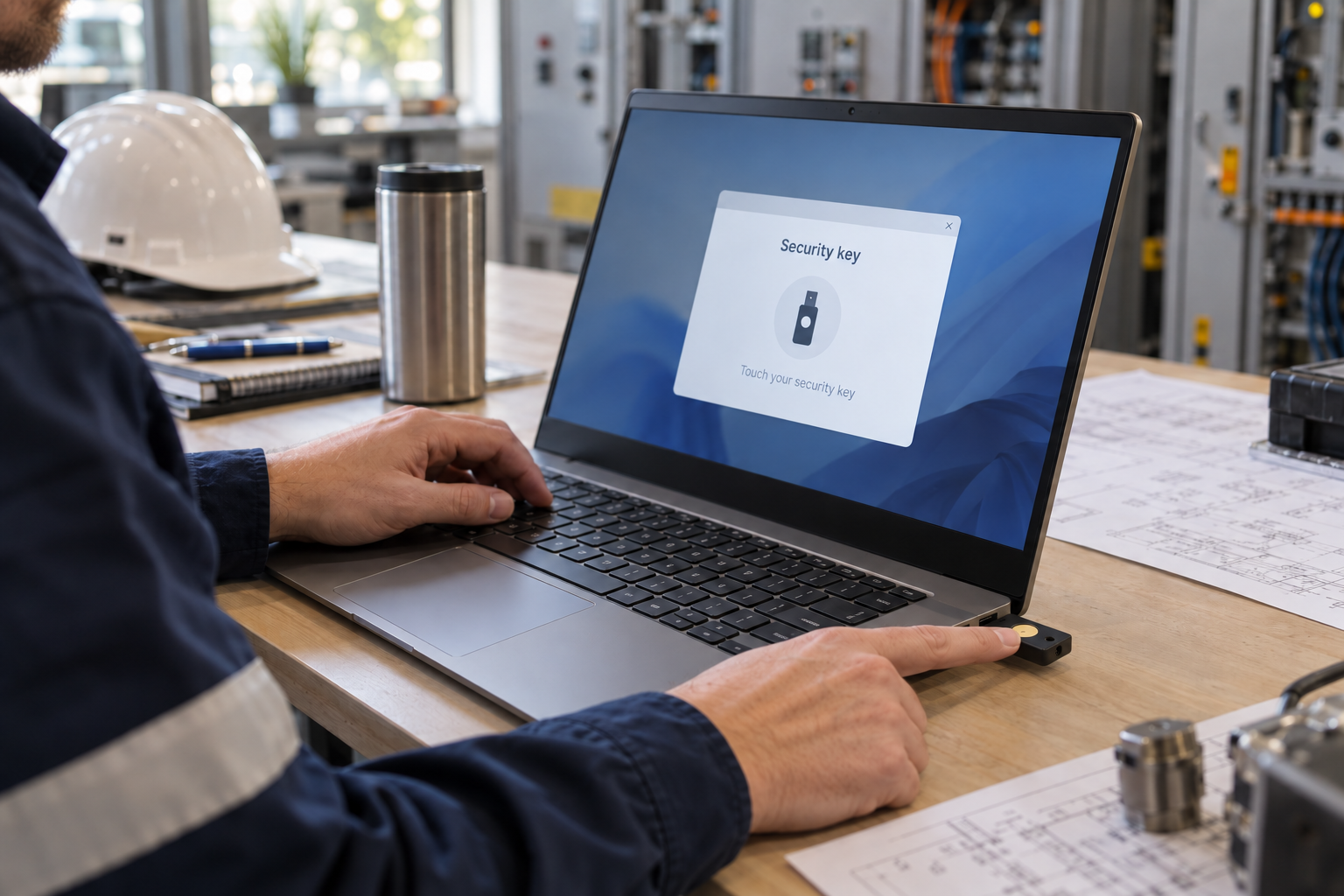
- Applying multifactor authentication and limiting privileged access rather than treating a trusted location as sufficient authorization.
- Segmenting networks so that a compromise does not provide unrestricted movement into other systems.
- Preparing an incident-response process that can investigate suspected access and contain it without losing sight of operational needs.
These measures support a zero-trust approach, but no architecture or product removes the need to investigate what is happening in an environment. The Cybersecurity Basics hub provides supporting context for foundational controls; the institutional challenge is applying them consistently across complex operations and suppliers.
AI-assisted monitoring can help analysts sort activity and identify patterns. Its value depends on the data available, how it is configured and whether the team can investigate its output. NIST's February 2025 Cyber AI concept paper explored opportunities for AI-assisted defense alongside risks such as over-reliance and tools poorly matched to organizational needs. The concept-stage project considered how organizations could use AI while managing the additional risks it creates.
Federal Coordination and Secure Products
Private operators cannot address a national-security problem alone. The policy priorities remain stronger reporting, workable security expectations, funded resilience and timely information sharing through sector organizations and public-private partnerships. Making those priorities workable requires coordination with the organizations responsible for delivering the services.
CISA's Secure by Design initiative began in April 2023, encouraging manufacturers to take responsibility for product security and build safer defaults. Its 2024 enterprise-software pledge included goals concerning MFA adoption and useful audit logs. Building those protections into products reduces the burden placed on customers to discover and compensate for insecure defaults.
Investment in those foundations matters when policymakers contemplate further confrontation. An escalation strategy that overlooks the condition of the networks carrying government communications and essential services leaves other organizations to absorb the risk. Our earlier discussion of CISA budget cuts examines the importance of maintaining that defensive capacity.
Data protection belongs in that planning as well. Organizations should understand the personal information they hold and the harm its exposure could cause; the Privacy & Identity Protection hub explains that broader stake. Protecting systems and protecting the people whose information those systems contain are connected responsibilities.
Conclusion
China cyber espionage is an established threat, and Trump's April 2025 tariff confrontation creates a serious reason to consider how that threat could escalate. The existing record supports concern about surveillance, theft and prepositioned infrastructure access. It does not establish that the named campaigns were launched as retaliation for April's duties.
That distinction strengthens the political warning. Leaders should account for cyber exposure when weighing the costs of economic confrontation, while defenders should act on documented access and plausible escalation scenarios. Clear attribution and chronology help direct resources toward the systems, data and dependencies that actually need protection.
For organizations in strategic sectors, the immediate priorities are visibility, stronger access controls, containment and coordination. Escalating tensions make an honest examination of readiness more urgent. Subscribe to Quantum Cyber AI for further analysis of cybersecurity, AI and the policy decisions shaping digital risk.
FAQ
Why does China target U.S. telecom systems?
Telecom access can expose call records, relationships and sensitive communications. The 2024 FBI/CISA findings concerned espionage, including private communications of certain government or political figures. Understanding those exposures helps providers and their customers assess the consequences of unauthorized access.
What is Volt Typhoon's role in this?
Volt Typhoon's documented infrastructure access raised concern about possible disruption during a major crisis or conflict. It relied heavily on stealth and legitimate tools. The potential consequences extend beyond data theft because persistent access could become useful during a crisis.
Can small businesses be affected by these threats?
A supplier or contractor may hold useful information or provide access to another organization. Smaller firms should examine what they connect to, what information they hold and which accounts have privileged access. They should not assume every unusual event is a nation-state attack; suspected compromise still needs investigation.
Can AI help defend against nation-state actors?
It can assist analysts, but effectiveness depends on the environment and the tool. AI does not replace visibility, access controls, patching or an incident-response team. Evaluate detection claims against relevant evidence and workflows, rather than assuming that an AI label guarantees protection against a named group.